Topics are disconnected from business goals
Posts that exist without supporting SEO, trust, or lead generation are effort without direction.
SEO & Content
Publish useful articles that answer real buyer questions and turn expertise into long-term search visibility.

What clients feel first
Posts that exist without supporting SEO, trust, or lead generation are effort without direction.
Readers who do not feel a clear point of view, local relevance, or expert depth move on quickly.
Articles that do not lead toward a service, offer, or next step stop being useful the moment they are read.
Who we are
We write articles that serve a clear business purpose: attracting the right search traffic, building authority, and guiding readers toward a service or offer.




The work path
We begin with one free consulting session to understand your business, target audience, blog objectives, preferred topics, brand voice, and publishing schedule. We then prepare a proposal outlining the content scope, article length, timeline, and deliverables.
After payment or deposit is received, the project officially begins. We collect your brand information, service details, audience insights, existing content, writing references, and website requirements. You receive a confirmed content brief and production schedule.
We define what the article should accomplish, such as increasing search visibility, educating prospects, supporting a service page, generating leads, or building brand authority. You receive an approved topic, audience focus, content angle, and intended call to action.
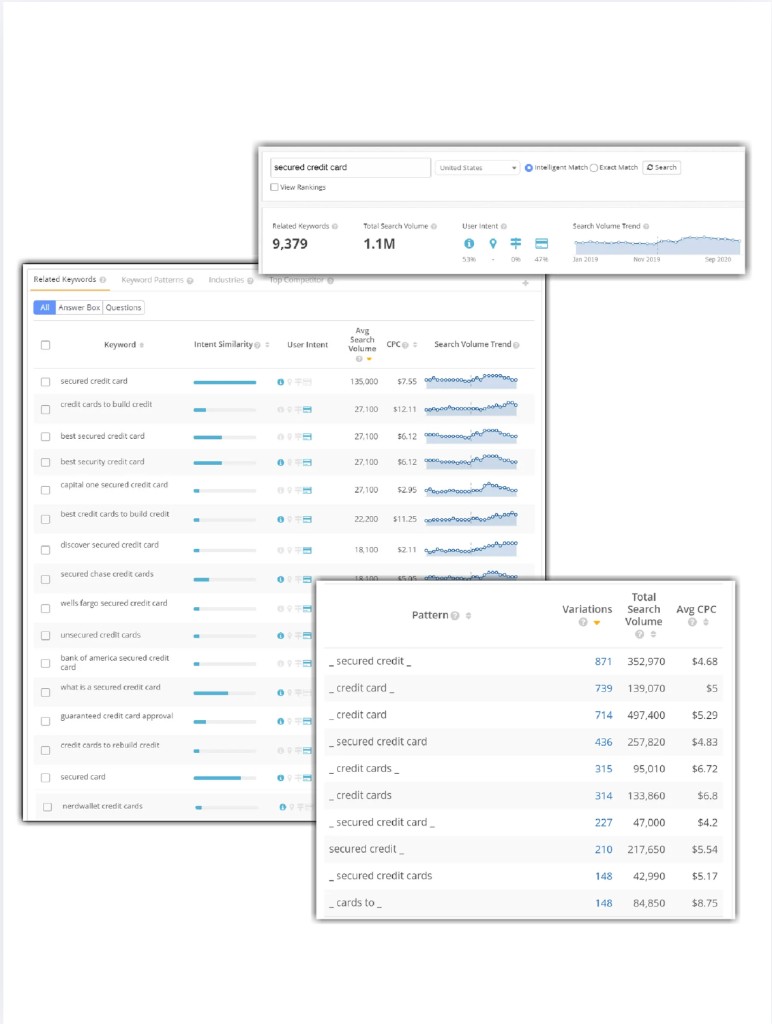
We research the subject, relevant search terms, user intent, competitor content, frequently asked questions, and credible supporting sources. You receive an SEO-informed article outline with recommended headings and key discussion points.
We write the article using a clear structure, relevant examples, natural keyword placement, and a tone aligned with your brand. The first draft includes the headline, introduction, headings, body content, conclusion, and call to action.
You review the first draft and provide consolidated feedback. One rewrite or revision round is included within the agreed original topic and scope, allowing us to refine the wording, structure, tone, or emphasis before approval.
We complete the approved changes and deliver the final article in an easy-to-use format. Depending on the scope, you may also receive a suggested meta title, meta description, URL slug, image direction, and internal-linking recommendations.
Cost of delay
People ask questions before they buy; without blog content, those early research moments may go to competitors.
A business may have strong experience, but without helpful articles, customers cannot easily see that knowledge.
Blogs can support newsletters, LinkedIn posts, ads, and sales follow-ups; without them, content creation becomes harder.
Success stories
We wanted blogs that sounded informed without becoming stiff or overly technical. The writing felt natural, helpful, and aligned with our brand voice.

Karen
Interior Designer
The posts were easier to publish because they already had structure and purpose. They weren't just filler content — they addressed topics our audience actually cares about.

Mohan
IT Business Owner
Sophia helped shape topics in a way that felt useful for readers and still relevant to our business goals. That balance is harder to get right than people think.

Elise
Nutrition Consultant
The blogs helped us show expertise without sounding too promotional. They gave us content we could actually reuse across the website and social channels.

Troy
Real Estate Advisor
We had tried writing internally, but it was hard to stay consistent. Having better-written blog content made our site feel more active and professional.

Bianca
Childcare Centre Director

Shopify

WordPress

Framer

Webflow
Shopify
WordPress
Framer
Webflow
Shopify
WordPress
Shopify
WordPress
Framer
Webflow
Shopify
WordPress
Framer
Webflow
Shopify
WordPress
Next step
Create useful articles that build authority, support SEO, and give prospects a reason to trust your expertise.
FAQ
Blog writing for business means creating helpful articles that answer customer questions, explain your services, support SEO, and build trust before someone contacts or buys from you. A business blog is not just a diary or news section. It should connect your expertise with what your target customers are searching for online.
Blog writing can help SEO by giving your website more relevant pages, more keyword opportunities, more internal links, and more helpful content for search engines to understand. For example, a service page may explain what you offer, while blog posts can answer related questions, compare options, explain problems, and attract people earlier in the buying journey.
Evergrowth Digital's blog writing service may include topic research, keyword research, search intent review, blog outline planning, SEO-friendly headings, article writing, internal linking suggestions, meta title and meta description support, and content recommendations. Depending on the project, we can also help build a blog content calendar for consistent publishing.
Yes. We can write blog posts based on target keywords, but we also consider search intent, customer questions, topic relevance, and business goals. A keyword alone is not enough. A good blog post should answer the real question behind the search and guide readers toward the next useful step.
The right number depends on your goals, competition, industry, website authority, and content gaps. Some businesses may start with a few strategic blog posts around high-intent topics, while others may need ongoing monthly publishing. Consistency matters, but quality matters more than publishing many thin articles.
Yes, blog writing can support lead generation by attracting people who are researching problems, comparing solutions, or learning before they buy. A blog post may not always convert immediately, but it can bring qualified traffic, build trust, answer objections, and guide readers to a service page, contact form, consultation, or email signup.
Yes. We focus on clear, helpful, human-readable blog content that matches your business voice. SEO writing should not feel robotic or stuffed with keywords. The best blog content explains useful ideas clearly, uses real examples, and helps readers feel more confident about taking the next step.
Yes. Blog posts can support answer engine optimization and generative engine optimization when they clearly answer specific questions, use structured headings, explain concepts in simple language, and provide useful context. For example, a blog that answers "How do I choose a Shopify optimization service in Vancouver?" may help both search engines and AI-powered answer systems better understand your expertise.
You can provide topics if you already have ideas, but you do not need to. Evergrowth Digital can help research blog topics based on your services, customer objections, local search intent, competitor content, SEO opportunities, and common buyer questions. This helps avoid writing content that sounds nice but does not support business growth.
Blog success can be measured through organic traffic, keyword visibility, impressions, clicks, engagement, internal link clicks, assisted conversions, form submissions, newsletter signups, and leads over time. Blog writing is usually a long-term growth channel, so we look at whether the content is helping your website become more visible, useful, and trusted.