Design decisions take too long
Every post, page, or document becomes a new visual debate when there is no shared reference.
Brand & Creative
Give every future post, page, deck, and campaign a clear set of rules so the brand stays consistent without guesswork.

What clients feel first
Every post, page, or document becomes a new visual debate when there is no shared reference.
Different people naturally reach for different colors, fonts, spacing, and image styles.
Without documented rules, each new asset slowly pulls the brand in a slightly different direction.
Who we are
We document the rules that keep a brand coherent: from color codes and typography to logo usage, voice, and visual asset standards.




The work path
Define the brand purpose, audience, positioning, personality, and communication style before building the visual rules.
Document logo versions, spacing, sizing, colour use, background use, and common mistakes to avoid.
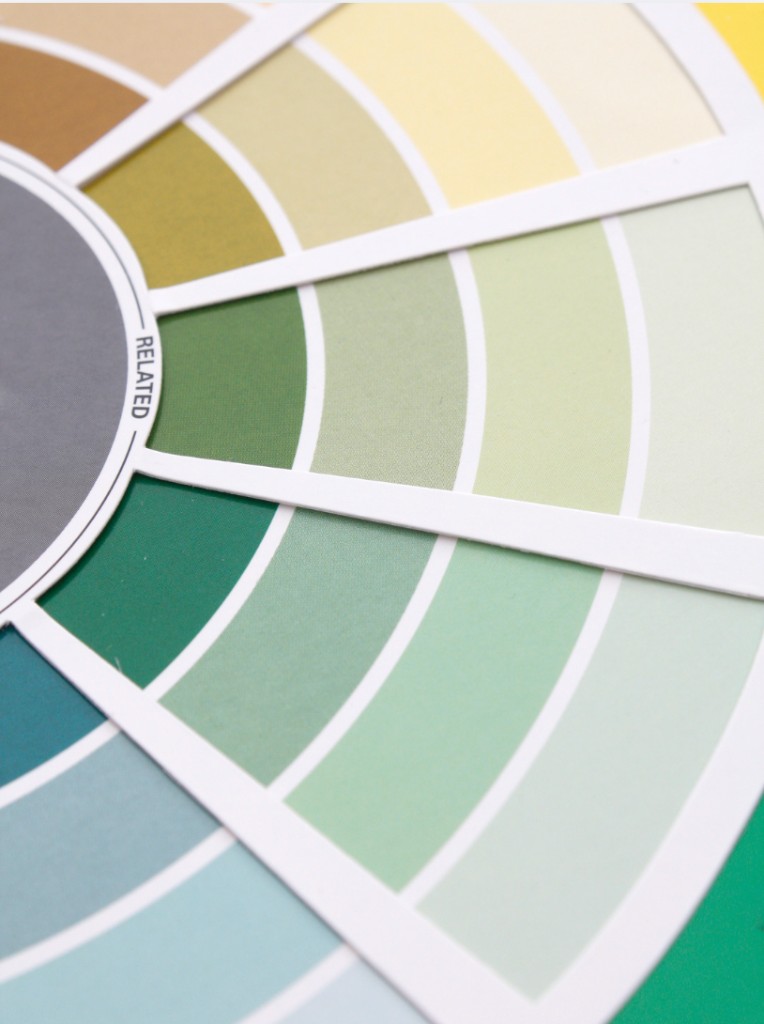
Create a practical colour palette with primary, secondary, accent, and neutral colours for both digital and print use.
Set font hierarchy, heading styles, body text rules, spacing, and readability standards across brand materials.
Guide photography, icons, illustrations, graphic elements, mockups, and image style so the brand feels recognizable.
Define grids, margins, buttons, forms, cards, corner radius, and reusable interface elements for digital consistency.
Clarify how the brand should speak across websites, ads, emails, social media, and customer touchpoints.
Provide a clean, easy-to-use brand guideline document that supports future design, marketing, and content creation.
Cost of delay
Without guidelines, each poster, page, ad, or email may look slightly different from the last.
Designers, marketers, and partners may waste time asking what colors, fonts, logos, and tone to use.
Inconsistency can make even a strong business feel less professional and less reliable.
Success stories
We used to send assets back and forth and still end up with mismatched materials. The brand guidelines gave our team something practical to follow, and that saved time immediately.

Nora
Marketing Coordinator
Consistency used to be a problem, especially when different people were creating flyers or social posts. Now the team has clear standards, and the brand finally looks like one company.

Sam
Franchise Operations Manager
Our organization works with volunteers and outside partners, so having clear brand rules helped a lot. It made collaboration easier without losing quality.

Emily
Nonprofit Director
The guideline document was actually useful, not just decorative. It answered the questions our staff kept running into, especially around logo use, fonts, and colors.

Trevor
Property Manager
Ethan helped simplify what had been a messy process for us. With the guidelines in place, our materials feel more professional and much easier to keep consistent.

Grace
Education Program Manager
Define the brand’s purpose, long-term vision, target audience, and communication style. This ensures the brand speaks clearly and consistently across websites, ads, emails, and social media.
Include the primary logo, secondary logo, and icon version. Provide basic rules for clear space, minimum size, and incorrect usage such as stretching, rotating, or using unapproved colors.
Set the main brand colors, supporting accent colors, and exact color codes for digital and print use, including HEX, RGB, and CMYK when needed.
Define the primary and secondary typefaces, along with simple usage rules for headings, body text, line height, and spacing to keep layouts consistent and readable.
Establish the brand’s photography style, icon style, graphic elements, and mockup examples for websites, packaging, print materials, and social media templates.
Next step
Create clear rules for your logo, colors, typography, imagery, and tone before inconsistency spreads.
FAQ
Brand guidelines are a practical rulebook that explains how your brand should look, feel, and communicate across different platforms. They usually include logo usage, colour palette, typography, spacing, imagery style, and basic design rules. For businesses in Vancouver and the Greater Vancouver Area, brand guidelines help keep your website, social media, ads, proposals, packaging, and print materials consistent.
Brand guidelines help your business look more consistent and professional everywhere customers see you. Without clear guidelines, your website, social media posts, ads, flyers, and presentations may look like they come from different companies. A simple brand guide gives your team, designer, marketer, or developer one clear reference to follow.
A brand guidelines document may include your logo rules, logo spacing, approved logo variations, brand colours, typography, image style, icon style, layout examples, tone of voice, and do's and don'ts. The exact scope depends on how your brand will be used. At Evergrowth Digital, we focus on practical guidelines that are easy to apply in real marketing and website work.
No. Small businesses can benefit from brand guidelines because they often work with different people over time, such as designers, web developers, social media coordinators, printers, photographers, and marketing freelancers. A clear brand guide saves time, reduces confusion, and helps your business show up consistently as it grows.
Brand identity is the visual system itself, such as your logo, colours, fonts, graphic style, and overall creative direction. Brand guidelines explain how to use that system correctly. Think of brand identity as the ingredients, and brand guidelines as the recipe that helps everyone use those ingredients the same way.
Yes, if you want your logo and visual assets to be used consistently. A logo alone does not explain which colours to use, how much spacing it needs, what fonts match your brand, or how it should appear on social media, websites, documents, and signage. Brand guidelines turn your logo into a usable system.
Yes. Brand guidelines make it easier to create social media graphics, email banners, website sections, ads, brochures, and presentations that look connected. This is especially useful when different people are creating content for the same business. Instead of guessing every time, your team can follow one visual direction.
Brand guidelines can be simple or detailed depending on your business needs. A small business may only need a practical mini guide with logo rules, colours, fonts, and basic examples. A growing company may need a more complete guide with messaging, layout systems, campaign examples, photography direction, and digital usage rules.
Yes. If you already have a logo, colour palette, or brand assets, we can organize them into a clear and usable brand guidelines document. We can also identify gaps, such as missing font rules, weak colour contrast, unclear logo spacing, or inconsistent social media layouts, and recommend improvements.
Yes. Brand guidelines make future design, website updates, marketing campaigns, and content creation easier because everyone has a shared reference. This can reduce back-and-forth communication, prevent inconsistent visuals, and help your business maintain a polished brand presence across every customer touchpoint.