Interest stalls before action
Visitors who browse, compare, and hesitate are not failing to decide — the page is failing to persuade.
Website & E-commerce
Turn visitor behavior into smarter experiments that improve clarity, confidence, and conversion without guessing.

What clients feel first
Visitors who browse, compare, and hesitate are not failing to decide — the page is failing to persuade.
A good offer paired with weak proof, no urgency, and unclear next steps rarely converts.
Drop-off numbers are visible, but the specific friction stopping conversions stays hidden without deeper analysis.
Who we are
We identify where interest stalls and rebuild the moments that matter — copy, layout, proof, and calls to action — until more visitors take action.




The work path
We begin with one free consulting session to understand your website, traffic sources, customer journey, conversion goals, current challenges, and available data. We then prepare a proposal outlining the recommended scope, timeline, and optimization priorities.
After payment or deposit is received, the project officially begins. We collect access to your website, GA4, advertising platforms, heatmaps, CRM, and other relevant tools. You receive a confirmed project brief, tracking checklist, and optimization plan.
We review traffic behaviour, conversion paths, landing pages, device performance, form activity, drop-off points, and customer feedback. You receive a prioritized list of friction points and high-impact opportunities.
We turn findings into clear improvement hypotheses, such as simplifying a form, strengthening a headline, improving trust signals, or clarifying the offer. You receive a testing roadmap ranked by potential impact, confidence, and implementation effort.
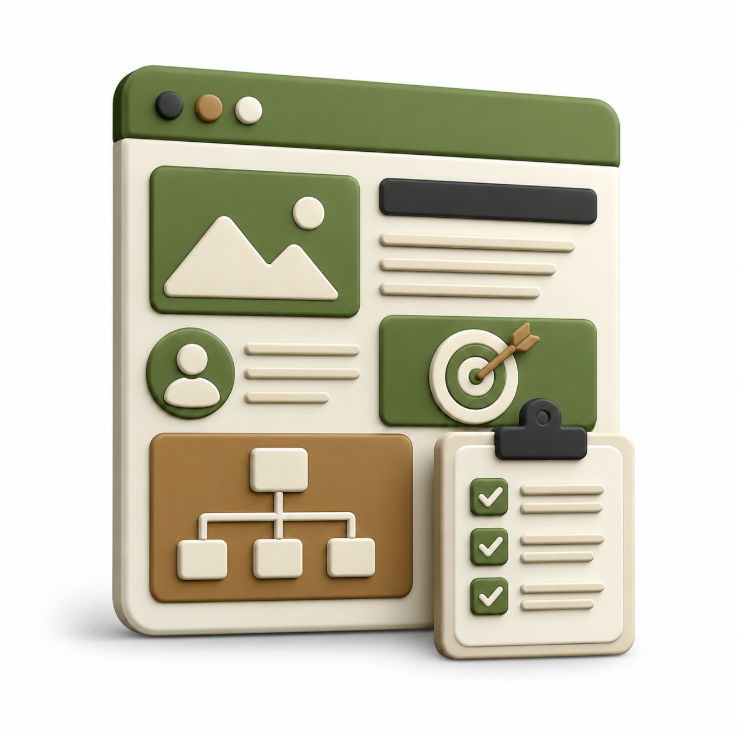
We improve agreed elements such as page structure, calls to action, forms, product information, navigation, trust signals, mobile usability, offers, and message clarity. You receive implemented or design-ready conversion improvements.
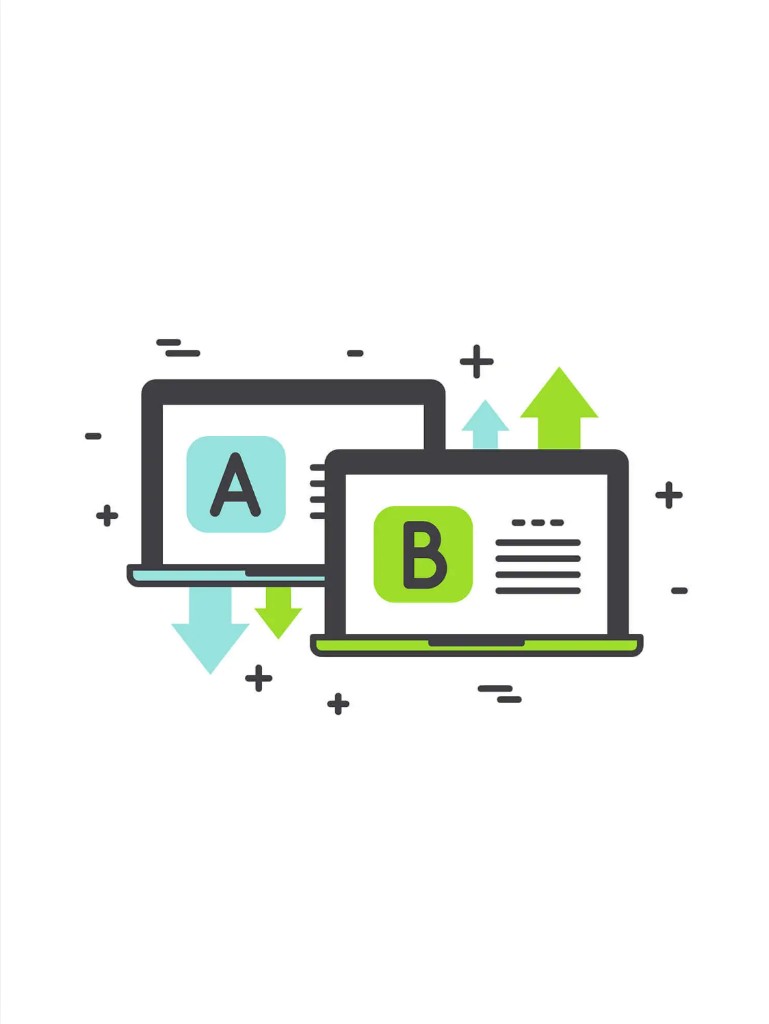
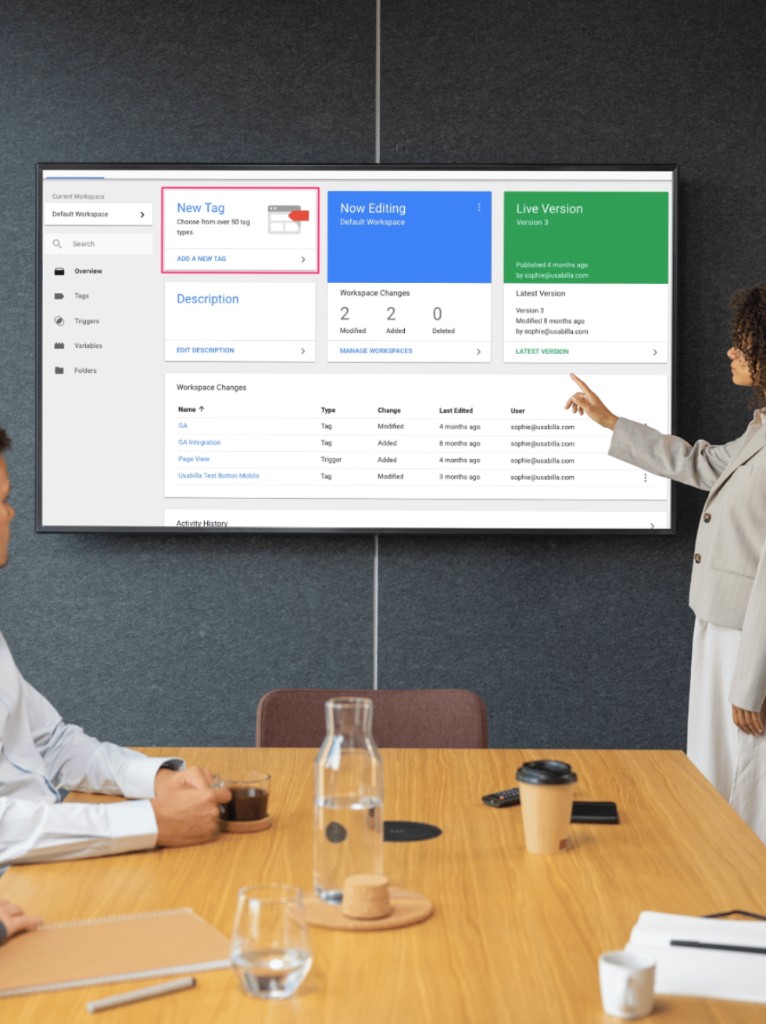
We verify conversion events, test forms and buttons, review mobile and desktop behaviour, and launch agreed A/B tests or controlled changes where suitable. You receive validated tracking and a reliable measurement setup.
We compare results against the original benchmark, identify what improved or underperformed, and recommend the next optimization cycle. You receive a performance summary, insights, and prioritized next-step recommendations.
Cost of delay
Without testing and analysis, it is hard to know which page elements help or hurt conversions.
Weak CTAs, unclear copy, poor layout, or missing trust signals can quietly reduce leads and sales over time.
If the website cannot convert well, adding more visitors may simply create more missed opportunities.
Success stories
We were already spending on traffic, but too many visitors were dropping off. Evergrowth Digital's work gave us a clearer picture of where people were getting stuck and what needed to change.

Jessica
Marketing Manager
What I liked was that Evergrowth Digital's recommendations were practical. They focused on messaging, page flow, and trust signals instead of just telling us to redesign everything.

Adam
Service Business Owner
The team helped us see the site more from a customer's point of view. A few focused improvements made the journey feel more natural and less confusing.

Priyanka
E-commerce Director
Johnson framed the page around what people actually needed to understand before taking action. That shift made the experience feel more persuasive without feeling pushy.

Louis
B2B Operations Lead
We noticed the pages felt clearer and more deliberate after the updates. It gave us a better way to test what was working and improve the quality of incoming leads.

Cindy
Studio Owner
Shopify
WordPress
Framer
Webflow
Shopify
WordPress
Framer
Webflow
Shopify
WordPress
Shopify
WordPress
Framer
Webflow
Shopify
WordPress
Framer
Webflow
Shopify
WordPress
Next step
Find the weak points, test better ideas, and improve the moments that lead to clicks, leads, and sales.
FAQ
Conversion rate optimization, or CRO, is the process of improving your website so more visitors take meaningful actions, such as submitting a form, booking a call, requesting a quote, signing up, or making a purchase. It is not just about changing button colours. It is a research-based process that looks at user behaviour, website structure, messaging, design, analytics, and business goals.
Our CRO service focuses on research, analysis, reporting, and practical recommendations to help your business grow. This may include reviewing website analytics, user behaviour, page structure, calls-to-action, forms, landing pages, content clarity, mobile experience, and conversion paths. The final outcome is usually a clear optimization plan or business case that shows what should be improved, why it matters, and how it may support business growth.
No. CRO is not always a full website redesign. A redesign changes the overall look or structure of a website, while CRO focuses on identifying friction and improving specific parts of the customer journey. Sometimes the recommendation may involve design changes, but other times it may involve better messaging, clearer forms, stronger calls-to-action, improved trust signals, or a better landing page structure.
CRO helps your business get more value from the traffic you already have. Instead of only spending more money on ads or SEO to bring in more visitors, CRO looks at why current visitors are not converting. For example, if people visit your service page but do not contact you, CRO can help identify whether the issue is unclear messaging, weak proof, poor form placement, slow loading, confusing navigation, or missing trust signals.
Yes, CRO is especially useful when your website already gets traffic but does not generate enough leads, sales, bookings, or inquiries. If people are visiting but not taking action, there may be friction in the customer journey. CRO helps turn website traffic into better business outcomes by improving the parts of the site that influence decision-making.
We may review data from tools such as Google Analytics, Google Search Console, heatmaps, session recordings, form performance, ad landing page results, search behaviour, page speed reports, and customer feedback. We also look at qualitative signals, such as unclear messaging, weak value propositions, confusing layouts, and missing objections. The goal is to combine numbers with real user behaviour.
A/B testing can be useful when there is enough traffic to produce meaningful results. For smaller websites, we may start with a CRO audit, research report, and prioritized recommendations before testing. This helps avoid random experiments. A/B testing works best when it is based on a clear hypothesis, such as improving a headline, form layout, offer, call-to-action, or landing page section.
You may receive a CRO report, website audit findings, user journey analysis, conversion issues, priority recommendations, page-by-page improvement ideas, and a practical action plan. Depending on the project, we can also provide wireframe suggestions, landing page recommendations, copy improvements, or implementation guidance. The goal is to give you a clear business case for what to improve next.
The timeline depends on the size of your website, available data, number of pages reviewed, reporting depth, and whether testing or implementation is included. A focused CRO audit may be completed faster, while a deeper optimization plan with analytics review, user behaviour research, recommendations, and follow-up reporting may take longer. CRO can also be ongoing because customer behaviour changes over time.
Yes, especially if your business already invests in ads, SEO, social media, or content marketing. CRO helps make those traffic channels more efficient by improving what happens after visitors arrive on your website. For a small business, even small improvements to form submissions, quote requests, bookings, or product purchases can make marketing more profitable.