Mobile tasks take too many steps
An experience that requires effort on a small screen is one most users abandon before completing.
Development & Automation
Design and build mobile experiences that feel focused, responsive, and useful in the moments customers actually need them.

What clients feel first
An experience that requires effort on a small screen is one most users abandon before completing.
An app used once and forgotten has not solved the problem of sustained engagement.
A strong idea without a clear flow, defined features, and a realistic MVP scope cannot be built effectively.
Who we are
We design mobile experiences that are easy to navigate, satisfying to use, and built around what users need to accomplish — not just how the product works.




The work path
We discuss your app idea, users, features, platforms, timeline, and business goals, then provide a proposal starting from $5,000.
After payment or deposit, we collect requirements, confirm the scope, and establish the project roadmap and milestones.
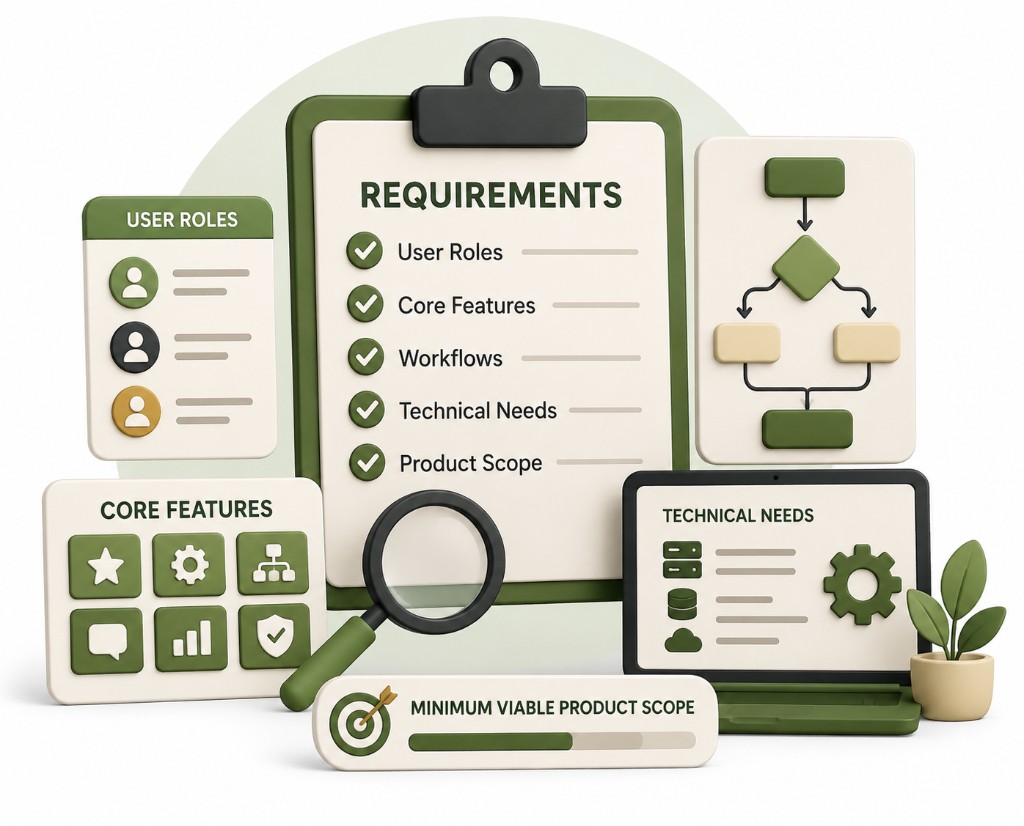
We define user roles, core features, workflows, technical needs, and the minimum viable product scope.
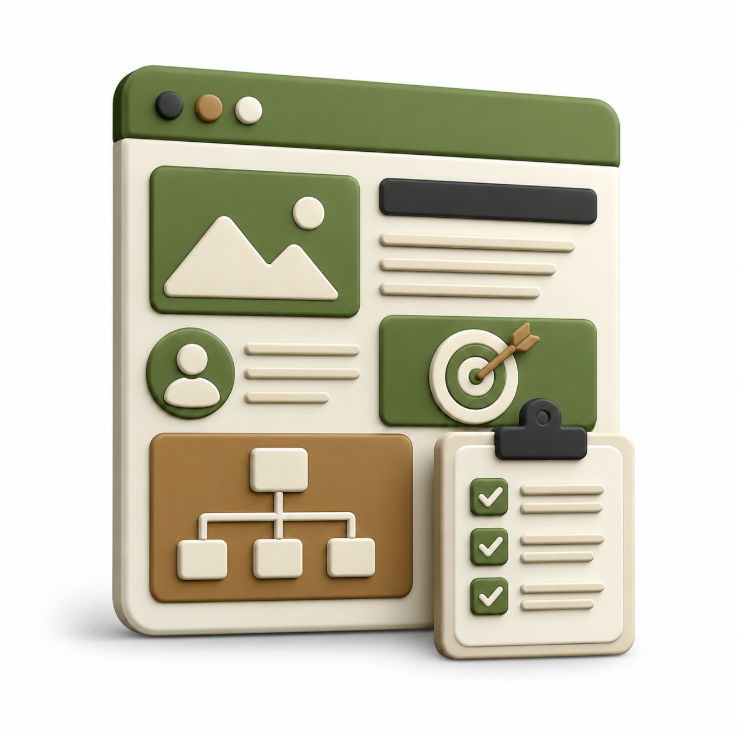
We map how users move through the app and organize screens, navigation, content, and key actions.
We create low-fidelity screen layouts to test structure, usability, and task completion before visual design begins.
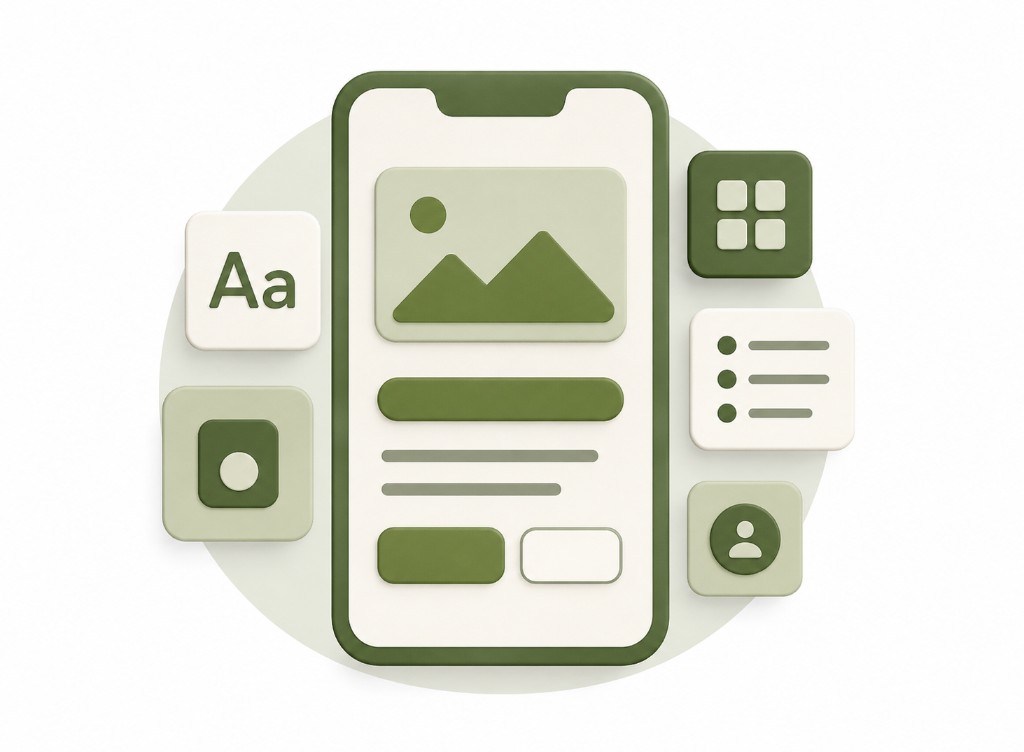
We design the app interface, including colours, typography, buttons, forms, icons, components, and responsive screen states.
We build a clickable prototype, collect feedback, and refine the experience within the approved revision scope.
We provide organized design files, screen specifications, assets, and guidance for development and implementation.
Cost of delay
If customers rely on phones, a missing or weak mobile experience can make your service feel less accessible.
Mobile apps can support reminders, accounts, progress, loyalty, booking, or repeat use; without them, retention may drop.
A smoother mobile experience can make another brand feel easier, faster, and more customer-friendly.
Success stories
We had an idea for a mobile experience but needed help making it more usable and realistic. Evergrowth Digital's work made the product feel much more grounded.

Janet
Fitness Business Owner
The app needed to be simple enough for everyday use, and that was handled well. The final experience felt cleaner and easier to move through than we expected.

Ryan
Logistics Manager
Arjun did a good job balancing features with usability. The app didn't just function — it felt understandable for the people actually using it.

Olivia
Education Startup Founder
We appreciated that the team thought about workflow, not just screens. That made the app more practical for both staff and end users.

Ben
Healthcare Services Director
Evergrowth Digital's work felt carefully planned rather than rushed. It gave us a much stronger starting point for rolling the idea out.

Kayla
Community Program Lead

Shopify

WordPress

Framer

Webflow
Shopify
WordPress
Framer
Webflow
Shopify
WordPress
Shopify
WordPress
Framer
Webflow
Shopify
WordPress
Framer
Webflow
Shopify
WordPress
Next step
Create mobile experiences that support convenience, engagement, booking, communication, or repeat use.
FAQ
Mobile app development is the process of building a working mobile application for iOS, Android, or both. It includes planning features, writing code, connecting APIs, setting up user accounts, building screens, testing performance, and preparing the app for launch. For Vancouver and Greater Vancouver businesses, mobile app development turns an app idea into a product customers can actually download and use.
Evergrowth Digital can support mobile app development for business apps, service apps, booking tools, customer portals, MVP launches, feature builds, app updates, API integrations, login systems, push notifications, and post-launch improvements. The exact scope depends on your app idea, platform, timeline, and whether you need a first version or ongoing development support.
Yes, depending on the project scope and technical approach. Some apps are built separately for iOS and Android, while others use a shared codebase to speed up development. We can discuss which option makes sense based on your budget, launch timeline, feature needs, and long-term maintenance plans.
It helps to have a clear feature list, user flow, and screen direction before development begins. If you already have UI/UX design files, development can move faster with fewer assumptions. If not, we can still discuss the MVP scope and build in stages, but unclear requirements often lead to rework later.
Depending on the project, we can build features such as user login, profiles, forms, booking flows, maps, messaging, notifications, payments, content feeds, search, dashboards, admin tools, CRM connections, and third-party API integrations. The goal is to build features that support your business workflow, not add complexity for its own sake.
Yes. Many business apps need to connect with external systems such as payment gateways, booking tools, CRMs, databases, authentication services, analytics platforms, or custom backend APIs. Integrations help your app become part of a real business system instead of a standalone interface with limited usefulness.
Mobile app development cost depends on the number of features, platform choice, design readiness, integrations, admin needs, testing requirements, and launch timeline. A simple MVP app is usually smaller in scope than a marketplace, booking platform, social app, or custom dashboard product. To estimate clearly, we usually need your feature list, target users, examples, and preferred launch version.
The timeline depends on app complexity, number of screens, integrations, feedback speed, and whether the project is an MVP or full product build. A focused MVP may move faster, while apps with payments, messaging, admin tools, or multiple user roles usually need more planning, development, and testing. Clear requirements and fast decision-making help the project stay on track.
After launch, an app may still need bug fixes, performance improvements, OS updates, feature additions, analytics review, and store listing updates. Mobile apps are not finished on launch day — they need ongoing care as user behaviour, devices, and business needs change. We can discuss post-launch support depending on your goals.
Ownership terms should be clear before the project starts. In general, you should understand what you own, including source code, app accounts, design assets, API credentials, app store listings, and third-party services connected to the app. We aim to keep the process transparent so your business knows what access and deliverables are included after development.