Core functions are missing or patched
Forms, integrations, speed, and custom logic that do not work properly create friction at every touchpoint.
Development & Automation
Build a fast, flexible website that looks sharp, works cleanly, and can grow past the first launch.
What clients feel first
Forms, integrations, speed, and custom logic that do not work properly create friction at every touchpoint.
Manual steps and makeshift fixes add up until the website becomes harder to manage than it should be.
A site that functions today but cannot accommodate growth, new features, or updates becomes a constraint.
Who we are
We build sites and tools that are fast, flexible, and connected to the workflows that keep the business running — without the technical debt of shortcuts.




The work path
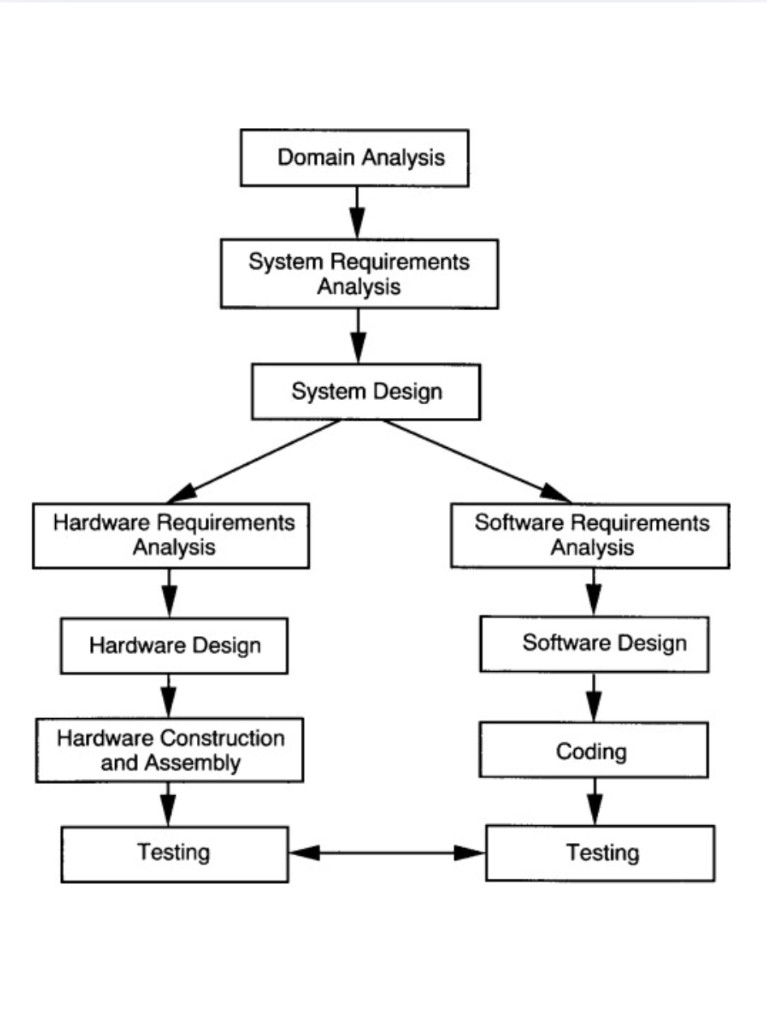
We discuss your goals, users, features, content, technical needs, and timeline, then provide a clear proposal.
After payment or deposit, we collect access and materials, confirm the scope, and establish the project roadmap.
We define the pages, features, user flows, integrations, data needs, and technical structure.
We confirm layouts, responsive behaviour, components, content structure, and development priorities.
We build the approved interface, functionality, forms, databases, APIs, and integrations included in the scope.
We add approved content and connect tools such as CRM, analytics, payments, email, or third-party platforms.
We test responsiveness, performance, forms, links, security basics, integrations, and browser compatibility.
We deploy the website, confirm key functions, and provide the completed system with basic usage guidance.
Cost of delay
Without proper development, useful tools, forms, dashboards, booking flows, or integrations may never move beyond planning.
Poor code structure can make future updates slower, riskier, and more expensive.
Bugs, layout issues, and broken interactions can damage trust even when the brand and content look strong.
Success stories
We needed a website that looked professional but also worked properly behind the scenes. Arjun delivered something clean, functional, and much easier for us to build on.

Nathan
Startup Founder
Evergrowth Digital handled the development side with more care than we had experienced before. The site felt faster, more stable, and better aligned with the business goals.

Lisa
Service Business Owner
What stood out was that the project didn't feel overly complicated. The team built what we needed and kept the experience practical and manageable.

Jordan
Education Program Manager
The website finally felt like a real business asset instead of something temporary. It was easier to navigate and more polished in the places that matter most.

Samira
Beauty Brand Founder
Arjun was thoughtful with both the technical details and the user experience. That combination helped the final site feel much more complete.

Victor
Operations Manager

Shopify
WordPress
Framer
Webflow
Shopify
WordPress
Framer
Webflow
Shopify
WordPress
Shopify
WordPress
Framer
Webflow
Shopify
WordPress
Framer
Webflow
Shopify
WordPress
Next step
Develop reliable pages, forms, features, and integrations that help your website do more than look good.
FAQ
Evergrowth Digital provides web development services for business websites, landing pages, service websites, portfolio websites, e-commerce support pages, contact forms, custom sections, interactive features, and website integrations. Our focus is to build websites that are responsive, practical, easy to understand, and aligned with your business goals.
Web design focuses on how the website looks and how users move through it. Web development turns that design into a working website with structure, code, pages, forms, buttons, navigation, integrations, and responsive behaviour. A simple analogy: web design is the blueprint and interior plan, while web development is the actual construction that makes the space usable.
It depends on your business needs. A website builder may be enough for a simple brochure site with basic content. Custom web development is better when you need more control over layout, performance, features, integrations, scalability, or a unique user experience. If your website needs custom forms, dynamic pages, dashboards, booking flows, payment support, or CRM integration, development support is usually the stronger option.
Yes. Mobile-friendly development is important because many visitors will view your website on phones and tablets. We can build responsive layouts that adjust across different screen sizes, including desktop, tablet, and mobile. This helps users read content, click buttons, submit forms, and navigate your website without frustration.
Yes. Depending on the project, we can add features such as contact forms, lead capture forms, service cards, filters, dynamic content sections, booking links, product/service detail pages, FAQ sections, blog layouts, tracking scripts, CRM form embeds, payment-related flows, or admin-friendly content areas. The goal is to add features that support your business, not unnecessary complexity.
Yes. We can help connect your website with tools such as Google Analytics, Google Tag Manager, HubSpot forms, CRM systems, email marketing platforms, payment tools, embedded calendars, maps, chat widgets, and other business systems. These integrations help your website become more than a digital brochure — it can become part of your sales and marketing workflow.
Yes, we can build with SEO basics in mind, including clean page structure, heading hierarchy, metadata support, internal links, mobile responsiveness, page speed awareness, image optimization, and crawlable content. Web development alone does not guarantee rankings, but a properly built website gives SEO work a stronger foundation.
Web development cost depends on the number of pages, design complexity, features, integrations, content readiness, custom code needs, testing requirements, and post-launch support. A simple business website is usually smaller in scope than a custom web application or e-commerce project. To estimate clearly, we usually need your goals, page list, desired features, examples, timeline, and any required integrations.
After launch, a website may still need testing, performance checks, small adjustments, content updates, analytics review, security updates, and maintenance. Evergrowth Digital can discuss post-launch support depending on your needs. A website is like a storefront: launch day opens the door, but ongoing care keeps it clean, useful, and ready for customers.
Ownership should be clear before the project starts. In general, you should understand what you own, including content, design files, website code, domain, hosting account, and third-party assets. We aim to keep the process transparent so your business knows what access, files, and accounts are included after delivery.